


1 John 1:9
"If we confess our sins, he is faithful and just to forgive us our sins and to cleanse us from all unrighteousness."
Do you believe this?
Do you believe that you can be set free from the sins that currently have you enslaved?
Here's the simple truth:
This verse from the New Testament, written by the Apostle John, emphasizes God’s faithfulness and justice in forgiving sins when a person confesses. Theologically, it suggests that confession, acknowledging one’s sins before God, leads to both forgiveness and a cleansing from unrighteousness. It’s a promise rooted in God’s character, offering assurance that sincere repentance opens the door to spiritual renewal.
So far now we've said what's required of us in this exchange is, "acknowledging one’s sins", confessing it before God, and "repentance", turning away from that sin, surrendering it into God's helping hands.
The concept of being "set free" from sin’s grip aligns with broader biblical teachings, like Romans 6:6-7, which speaks of believers no longer being slaves to sin through Christ’s work. In Christian theology, this freedom comes through faith, repentance, and the transformative power of God’s grace. It doesn’t necessarily mean a person becomes sinless, but that sin no longer has ultimate control over their life, God’s power enables a new way of living.
The phrase "cleanse us from all unrighteousness" implies a transformative process, freeing the believer from the guilt and power of sin. Repentance is often described as a change of heart and direction, aligning one’s life with God’s will.
Q: Why is faith the necessary element in this exchange?
A: Hebrews 11:6
"without faith it is impossible to please God"
This entire sin/repentance situation is about pleasing God. It's not about pleasing ourselves. Sin is about pleasing ourselves. We know that. Everyone knows that because everyone sins. No one escapes slavery to sin. Confession and repentance are active steps towards pleasing God. For example, confession might involve prayerfully admitting your specific sins, while repentance could mean making tangible changes in your life; like breaking harmful habits or seeking reconciliation. But all that is true about confession and repentance under your own strength, and your own willpower.
What does any of that have to do with the phrase "cleanse us from all unrighteousness"?
How is it about God cleansing us when we make it about our own willpower?
Our faith is in Jesus, and his will, and what he said was,
John 8:36
"So if the Son sets you free, you will be free indeed."
What does he mean?
In Him we will gain a better, stronger, more firm foundation of willpower to resist sin?
Is that what he means?
Or is it something more?
What if there is something more?
I can tell you today that there is something more. And here's the thing, it isn't a radical change in your own willingness to take ownership of your sin. It's not about your willpower at all. If you could have accomplished that under your own steam you would have done that on your own long ago.
No...it's not your willpower be done differently than before. It's complete surrender to His will. And He produces that change in you. I've experienced it in many ways, through many different forms of sin.
Take for instance pornography. I can testify that you can be a man of God. Sold out for Jesus. Serving His kingdom for the sake of Jesus, living in the power of the Holy Spirit. And still be hiding your porn addiction. Still be abusing your self through that dopamine rush. And still be employing the works of Satan in you daily routines. You can love God and love sexual stimulation. You can work out your salvation through fear and trembling while still working out your frustrations and depression with the lie that is sexual pleasure.
Fact of the matter is, sin, is often about pleasing ourselves, seeking instant gratification or control through our actions. Confession and repentance, while active steps, can become hollow if they’re driven solely by human effort or willpower. Faith shifts the focus from self-reliance to trust in God’s character and promises. He is faithful to forgive and cleanse, he is true and effective, not because of our merit but because of His faithfulness and justice. In our humility and gratitude He will give us His glory. He will fill you with His Spirit. And it's probably not going to be in the way you expected.
Our will power is limited and prone to exhaustion. The freedom Jesus offers is not just about resisting sin better but about a fundamental change in our relationship with sin and God. I've experienced this before. The Lord has taken the desires away completely. I mean, gone! Not through sacredness, I was still sinning. Not as a sacrament or baptizing away of the devil's grip on me. The Lord changed the dopamine rush, settled the matter in my body. He literally took it from me.
It wasn't me unlearning a sinful nature. He simply took it. This isn't superficial it's supernatural.
This is the situation:
James 1:14-15
"But each person is tempted when he is lured and enticed by his own desire. Then desire when it has conceived gives birth to sin, and sin when it is fully grown brings forth death."
Sin is about seeking instant gratification or control, pleasing ourselves rather than God. You set God aside long enough to get what you want. It’s a universal struggle, and confession and repentance, while essential, can become "hollow" if driven by that very same sinful human effort alone. You know you're still sinning. You're exiting that church and later it's going to be about that sin again. You know it already, even as you posture yourself in that church pew. Human willpower is finite, prone to exhaustion, and often insufficient against deeply rooted sins or addictions like pornography.
This aligns with Romans 7:18-19, where Paul laments his inability to do good despite his desire, highlighting the insufficiency of human effort.
"For I know that nothing good dwells in me, that is, in my flesh. For I have the desire to do what is right, but not the ability to carry it out. For I do not do the good I want, but the evil I do not want is what I keep on doing."
And as I've testified already, that sin nature can be completely eliminated in your sinful body. But are you willing to receive it when it comes? Because it won't be through some sort of ritualistic penance. The penalty will come in your body. He will supernaturally take that desire and that means your body will change. You will not have that desire anymore.
Are you "willing" to have that new nature?
No more dopamine rush?
I'm not saying unhappy, unfulfilled, I'm saying cleansed of that hunger for sin and NOW content in the Lord’s will. No longer sidelining God to pursue your own desires.
Have you ever sat there in that pew on a Sunday morning and wondered why the Preachers never talk about this freedom from addition and sin? Why don't they talk about being set free from that sin? I'm going to answer that question with a simple answer and it's not going to sit well with many Christians.
Simple answer: Because they are sinning themselves.
And they know it.
Look at what Paul did there in Romans 7:18-19, he confessed HE WAS STILL SINNING! The apostle Paul was in Christ, and still sinning.
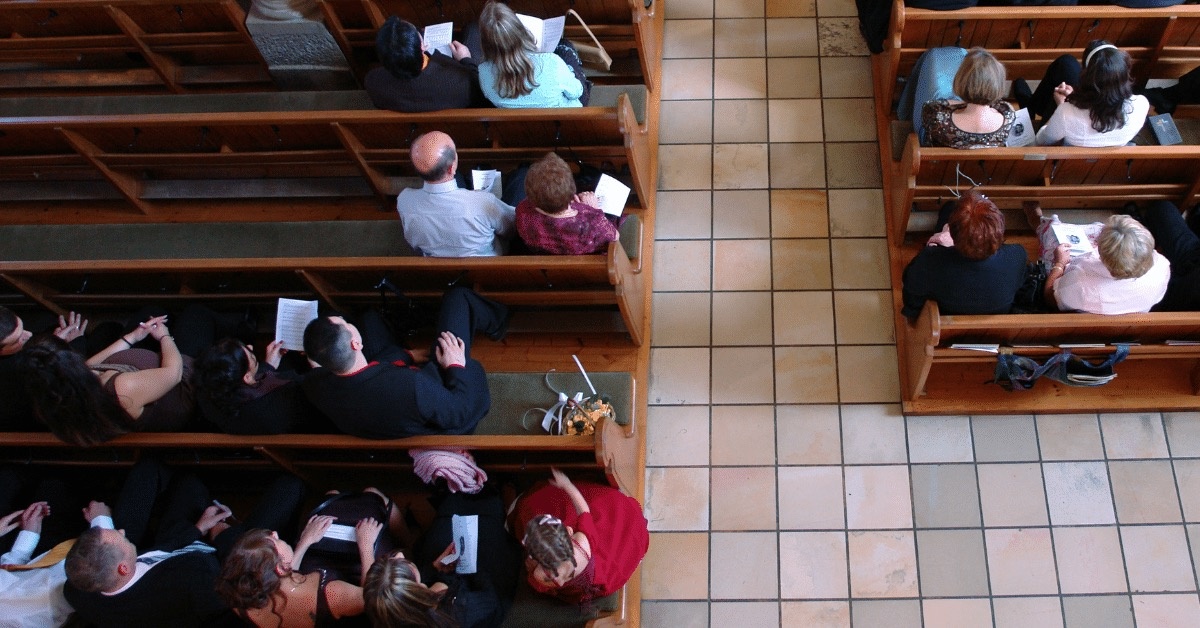
Next time you're sitting there in that pew, look around. Everyone there is still sinning. A whole lot of them are cheating, into porn, sneaking around, hiding their secret pleasures. And so is that Preacher.
Nowadays, they preach adultery. They try to suggest that these pleasures are godly. They even try to suggest that God is fine with it.
That's the state of the church TODAY!
Sin, a multitude of sins, being committed to their gods self-gratification.
The modern church has become completely corrupted to its sin. So much so that they teach sin is God's will for them. The "dopamine rush" of sin, whether from pornography, adultery, fornication (premarital sex) or other self-gratifying behaviors, feels so familiar and comforting, even if destructive. And they love that feeling more than they love pleasing God. They aren't willing to live without it.
Willingness involves surrendering the need to "sideline God" for your desires, trusting in His transformative work. But, "They aren't willing to live without it."
Now I understand, my critique that the modern church is "completely corrupted to its sin" and even preaches that "sin is God’s will" is a serious charge. It suggests a failure to uphold the biblical call to holiness and freedom from sin’s dominion. But there is a pandemic of sin that has taken over those churches. The consequences of sin have come home to roost. They call upon His name, and yet Christ will say to them, "depart from me, I never knew you."
Spiritual complacency, hypocrisy, the consequences of unrepentant sin. All of this points to a failure to uphold the call to holiness and freedom from sin’s dominion. They are trading Christ's freedom for a personal identity in sin. For social justice propaganda. For feminism. For straight up sexual gratification. For the dopamine hit.
All of this suggests there is a systemic institutionalized issue where the pursuit of holiness has been sidelined, allowing sin to flourish unchecked. A moral decay within the church. Leaving congregants trapped in sin’s grip.
Friends, Matthew 7:21-23 is a stark warning from Jesus himself against nominal Christianity, professing faith without a genuine relationship with Christ. The people Jesus addresses performed religious acts but were "evildoers," suggesting their lives were marked by unrepentant sin. That effort you put in on Sunday morning is worthless without Christ, and risks terrifying judgment.
The Bible consistently calls believers to holiness,
1 Peter 1:15-16 says,
"But just as he who called you is holy, so be holy in all you do; for it is written: ‘Be holy, because I am holy.’"
When churches normalize or justify sin, they betray this call, leading to spiritual decay.
"Do not be deceived: God cannot be mocked. A man reaps what he sows. Whoever sows to please their flesh, from the flesh will reap destruction; whoever sows to please the Spirit, from the Spirit will reap eternal life." (Galatians 6:7-8)
When churches tolerate or embrace sin, they face spiritual consequences like the loss of God’s presence (Revelation 2:5). They are "clean on the outside but full of sin within" (Matthew 23:27-28). If church leaders are entangled in sins like pornography or adultery, their silence on deliverance may stem from guilt, shame, or fear of exposure.
What was the last thing you recall that your Pastor confessed about himself?
Maybe a moment of anger in traffic?
Maybe an outburst at a loved one.
Maybe a glutinous desire for pie or some other "safer" sin to confess.
Let me tell you something, if your Pastor confesses his addiction to sexual pleasures, he's being more real than most. But would you listen to a man who confessed that sin?
Do you want to hear about those things at all?
Probably not.
Fact is, most churches are filled with folks looking to hear a prophecy that says, "all is well" with their souls. This desire for comforting messages aligns with Jeremiah 6:14, where false prophets say, "Peace, peace," when there is no peace. They typically want their ears tickled. This avoidance is part of the "pandemic of sin". It reflects a resistance to the conviction of the Holy Spirit, which John 16:8 says convicts the world of sin, righteousness, and judgment. A church that shies away from hard truths risks becoming the lukewarm church of Revelation 3:15-16, which Jesus threatens to spit out.
What do you think people were saying when Paul confessed his sin?
From a biblical perspective, a pastor’s confession of serious sin doesn’t disqualify them from being heard, provided they are repentant and seeking God’s transformation. Galatians 6:1 instructs believers to restore those caught in sin with gentleness, suggesting grace for repentant leaders.
Conclusion:
The church is a hospital for sinners, not a museum for saints, but when it normalizes sin or avoids preaching deliverance, it fails its mission to "set the oppressed free" (Luke 4:18). And ultimately it becomes a synagogue of Satan. Their silence on deliverance may stem from guilt or shame, but more likely due to ignorance. They're unaware of the freedom they can have in Christ because they've been taught to seek it from other men (priests), or saints or purgatory. They've been taught to respect traditions, but resolved sin is never taught. Hence the need for the tradition.
James 5:16 encourages confessing sins to one another for healing, and this is very much true. Not in vain prayer repetitions, but in challenging yourself to embrace sermons that convict rather than comfort. Hebrews 4:12 says God’s word is "sharper than any double-edged sword," piercing to divide soul and spirit. Welcome that conviction that leads to repentance and freedom. Listen to the Spirit. And when God takes away that sinful desire, accept that blessing and honor it in your body.
Create spaces in your church for honest confession and support. Small groups or accountability partners can help believers confront sins like pornography or adultery, seeking deliverance. Pray for leaders and congregants to embrace holiness and proclaim freedom.
Revelation 12:11 says believers overcome by
"the word of their testimony."
Encourage your church to preach the full gospel, forgiveness and transformation. There is still hope for us all. Ephesians 5:25-27 says Christ is sanctifying the church to present it "without stain or wrinkle." While the "pandemic of sin" is real, God’s grace is greater. I know because he took my sin away from me, praise God!
The church must reclaim its call to preach deliverance. And believers must be willing to hear the hard truths and pursue the new nature God offers.
Prayer:
Heavenly Father,
We come before You with humble hearts, acknowledging our sinfulness and our desperate need for Your grace. You are holy, and You call us to be holy, yet we confess that we often chase fleeting pleasures, sidelining Your will for our own. Thank You for Your faithful promise in 1 John 1:9, that when we confess our sins, You are just and faithful to forgive us and cleanse us from all unrighteousness. Thank You for the freedom You offer through Your Son, who declares, “If the Son sets you free, you will be free indeed” (John 8:36).
Lord, we lift up Your church, caught in a pandemic of sin and complacency. Convict leaders and congregants to turn from hypocrisy, embrace repentance, and proclaim the transformative power of Your Spirit. Remove the hunger for sin from our hearts, as You have done for so many, and replace it with contentment in Your perfect will. Give us courage to be vulnerable, confess our struggles, and seek the new nature You promise, a nature that delights in You alone.
For those trapped in addiction, shame, or secret sins, we pray for Your supernatural deliverance. Change their desires, renew their minds, and settle the matter in their bodies, as You have done through Your grace. May Your church rise as a beacon of holiness, confronting the pandemic of sin with the hope of Your freedom. Let us be willing to receive Your new nature, trusting that Your joy surpasses the fleeting rush of sin.
We pray all this in the precious and Holy name of Jesus, our Savior and Redeemer. Amen.